2026 Concrete Cancer Repair Cost Guide: Per m² Rates, Levies, and Engineering Fees
2026 Concrete Cancer Repair Cost Guide: Per m² Rates, Levies, and Engineering Fees explains typical repair ranges, strata levies, engineering costs and the factors that affect concrete cancer repair budgets.
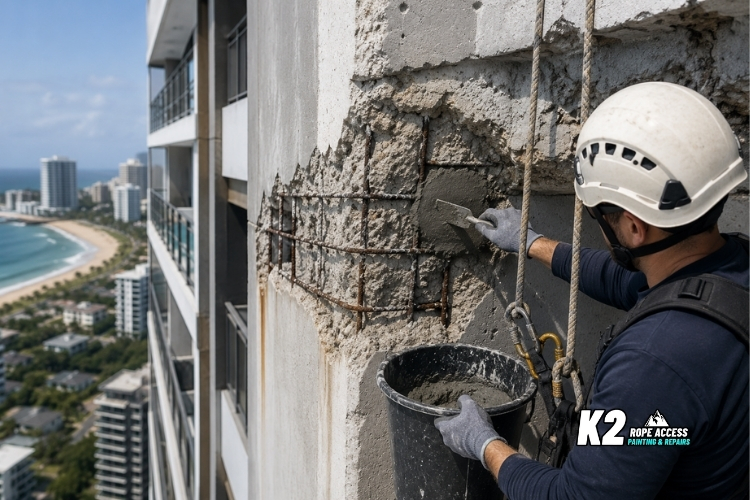
2026 Concrete Cancer Repair Cost Guide: Per m² Rates, Levies, and Engineering Fees is designed to help strata committees, building managers and owners understand why concrete cancer pricing can vary so widely.
Concrete cancer repair cost in 2026 is not a simple “one rate fits all” calculation. A small balcony patch, a widespread façade remediation project and a high-rise concrete repair program all carry different access, engineering, safety, material and waterproofing requirements. For strata buildings, the final cost can also affect capital works planning, special levies and timing of approvals.
The safest way to use this guide is as a planning tool, not a fixed quote.
Why concrete cancer repair costs vary so much
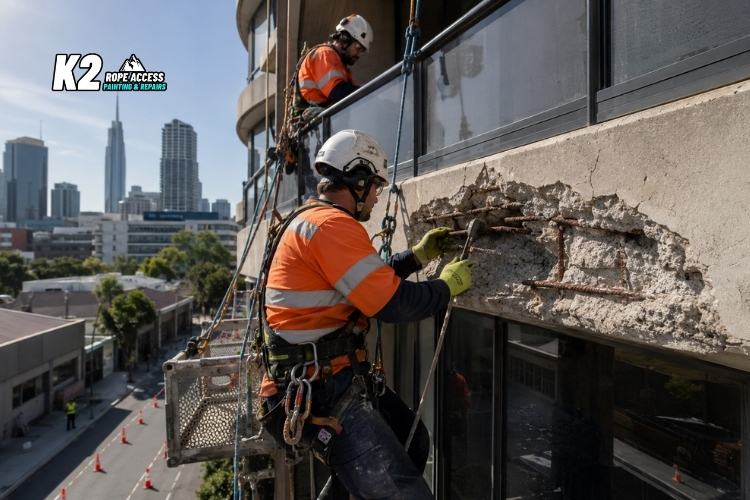
Concrete cancer usually occurs when steel reinforcement inside concrete begins to rust. As the steel expands, it cracks and pushes away the surrounding concrete, causing spalling, flaking, rust staining and loose material.
The cost to fix concrete spalling depends on how far the corrosion has spread, how difficult the area is to access, whether waterproofing has failed and whether the repair forms part of wider strata remedial building works.
A small localised defect may be relatively straightforward. A multi-storey façade with balcony edges, parapets, water ingress and repeated coating failure may require engineering input, staged access and protective coating systems.
For buildings with visible cracking, rust staining or loose concrete, specialist concrete spalling repair services can help define the repair scope before costs escalate.
Indicative concrete spalling repair cost per m² in 2026
Concrete spalling repair cost per m2 can vary significantly. As a broad Australian planning guide, many projects fall into these indicative ranges:
- Minor localised repairs: around $250–$600 per m²
- Moderate façade remediation works: around $600–$1,200 per m²
- Severe or deeply deteriorated structural repairs: around $1,200–$2,500+ per m²
Some complex or high-risk projects may exceed these figures, especially where access, engineering, waterproofing, traffic management or extensive coating works are required.
Concrete remediation per square metre should always be interpreted carefully. A cheaper rate may exclude access, engineering, make-good painting, membranes, sealants or site protection. A higher rate may include a more complete repair methodology.
What affects concrete repair contractor rates?
Concrete repair contractor rates are usually shaped by practical site conditions. Key factors include:
- building height and access method
- amount of damaged concrete
- depth of breakout required
- condition of reinforcement steel
- waterproofing and membrane requirements
- protective coating specification
- engineering involvement
- safety documentation and site controls
- resident or tenant disruption requirements
- whether works are isolated or building-wide
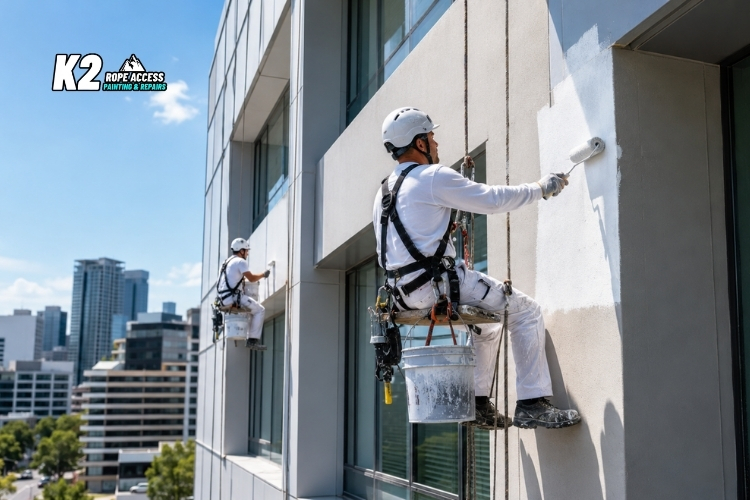
For high-rise or difficult-access façades, rope access may be suitable where targeted repairs are required. This can reduce disruption compared with heavier access systems in some situations, although the final methodology depends on the building and scope.
If concrete repairs are part of ongoing façade maintenance, high-rise maintenance and rope access repair planning can help owners think beyond one-off patching.
Structural engineering fees for strata and remedial reports
Structural engineering fees for strata are another important cost item. For concrete cancer engineering assessment, the engineer may inspect affected areas, identify the cause, specify repair methods and provide documentation for owners corporation approval.
Engineering fees vary depending on the building size, defect complexity, number of inspections and whether a full remedial scope is needed. A simple inspection and letter may cost far less than a detailed remedial engineering cost guide with drawings, specifications and tender support.
For strata committees, engineering costs should be seen as risk control. Without the right assessment, the owners corporation may approve a repair that treats the symptom but misses the cause.
Strata special levy for concrete cancer: when funds are not enough
A strata special levy for concrete cancer may be required when the capital works fund does not have enough money to cover urgent or major repairs. Concrete cancer can be expensive because it may affect common property, balconies, façades, car park ceilings or structural elements.
Strata capital works fund repairs are usually planned through the building’s long-term maintenance budget. But when defects are more severe than expected, or when safety risk increases, a special levy may become necessary.
This is why early reporting matters. Treating spalling concrete at the first sign of rust staining or cracking can be less disruptive than waiting until large sections need removal and reinstatement.
Apartment concrete cancer repair: costs owners should expect
Apartment concrete cancer repair often involves more than the damaged patch itself. Costs may include access setup, protection of common areas, engineer review, concrete breakout, reinforcement treatment, repair mortar, waterproofing, façade coating and final make-good painting.
Balcony repairs can become especially costly because they may involve waterproofing membranes, tiles, drainage details, balustrades or occupied units. If multiple balconies or elevations are affected, the project may need to be staged.
For committees and strata managers, a clear scope is essential. It should separate concrete repairs, access costs, coating works, waterproofing and engineering so owners understand what they are approving.
Concrete cancer signs and treatment before costs grow
Concrete cancer signs and treatment should be discussed as early as possible. Warning signs include rust marks, cracks, flaking concrete, bubbling coatings, hollow-sounding concrete, water leaks and exposed reinforcement.
The typical repair process may include removing loose concrete, cleaning and treating reinforcement, reinstating the section with compatible repair materials, and applying protective coatings or waterproofing where required.
K2RA’s work focuses on long-term building protection, not just surface repainting. For strata, commercial and government assets, K2 Rope Access façade remediation specialists can support concrete repair programs where access, safety and façade performance all matter.
How to plan a concrete cancer repair budget in 2026
A practical 2026 budget should include more than the contractor’s square metre rate. Allow for assessment, access, engineering, contingency, resident communication, remedial repairs, waterproofing and coatings.
For strata buildings, the best first step is usually a condition assessment. From there, the committee can decide whether the works should be handled as urgent repairs, staged maintenance or a larger capital works project.
If your building is showing signs of spalling or concrete cancer, contact K2RA for a concrete cancer repair assessment before the scope becomes harder to control.
The real cost is often delay
Concrete cancer repair costs can feel high, but delay often increases the final bill. Corrosion spreads, concrete breaks away, waterproofing fails further and access requirements become more complicated.
A clear repair strategy gives owners better control over budget, levies and project timing. More importantly, it helps protect the structural durability and safety of the building for the long term.
Move from research to the right remedial scope
Related K2RA insights

Need this assessed on an actual building?
Send the building location, photos, defect information and available scope documents. K2RA can review the project context and help determine the next practical step.