Selling an Apartment with Spalling: Disclosure Rules and Impact on Market Value
Selling an Apartment with Spalling: Disclosure Rules and Impact on Market Value explains how concrete cancer, strata reports and repair uncertainty can affect buyer confidence and sale price.
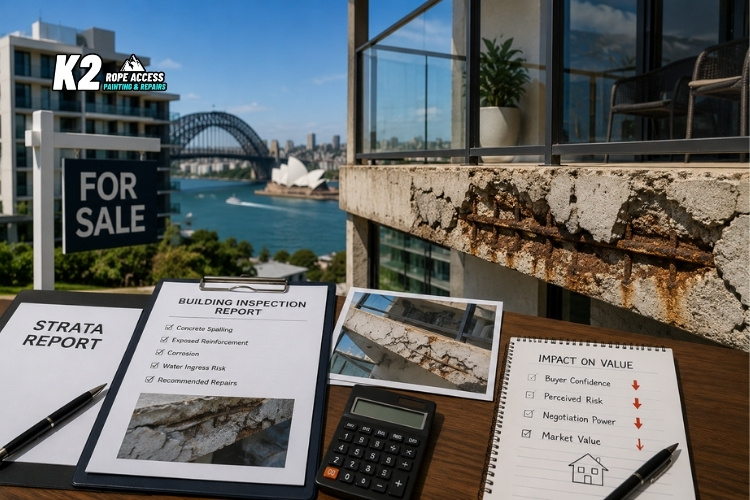
Selling an Apartment with Spalling: Disclosure Rules and Impact on Market Value is a sensitive issue because concrete damage can affect buyer confidence, strata records, negotiation power and final sale price.
Concrete spalling is not always just a cosmetic problem. It can be linked to concrete cancer, reinforcement corrosion, water ingress, façade deterioration or structural defects. If you are selling apartment with concrete spalling, buyers may ask whether the damage is inside the lot, part of common property, already budgeted for by strata, or likely to trigger future levies.
The safest approach is to understand the defect early, collect the right documents and get professional advice before listing.
Do I have to disclose concrete cancer when selling?
Many sellers ask: do I have to disclose concrete cancer when selling? The answer depends on your state, the contract, what you know, what the agent knows, and whether the issue appears in strata records or building reports.
Concrete cancer disclosure rules are not something to guess. In NSW and QLD, disclosure obligations can vary, but hiding known defects can create serious risk. A real estate vendor disclosure concrete spalling issue may arise if the seller or agent knows about a material defect, engineer report, special levy, remedial project or strata dispute and fails to handle it properly.
This article is general information only. Always speak with a conveyancer, solicitor or licensed property adviser before relying on disclosure decisions.
Why spalling affects buyer confidence
The impact of spalling on property value comes from uncertainty. Buyers may not know whether the defect is minor, structural, common property, privately owned, already repaired or about to become expensive.
A small localised defect with a clear repair scope may have limited impact. But selling a unit with concrete cancer becomes much harder when there are unresolved reports, repeated water ingress, active special levy discussions or visible façade deterioration.
Buyers for apartments with spalling often discount heavily because they are pricing in risk, not just the visible repair. This is where concrete spalling property devaluation can become real.
If you need to understand the technical side of the defect before listing, professional concrete spalling repair services can help clarify the likely repair scope.
What buyers will look for in the strata report
A strata report concrete cancer issue can quickly change the negotiation. Buyers and their solicitors may review meeting minutes, engineer reports, remedial quotes, insurance claims, capital works funds and special levy records.
They may look for:
- mentions of concrete cancer or spalling
- façade or balcony repair discussions
- engineering assessments
- quotes from remedial contractors
- water ingress complaints
- special levy proposals
- capital works fund balance
- disputes between owners and strata
- previous patch repairs that failed
If the defect is already documented, assume serious buyers will find it.
Selling as is vs repairing before sale
Selling apartment as is with concrete cancer may be possible, but it usually means accepting stronger buyer negotiation. Some sellers prefer to sell quickly and let the buyer take on the risk. Others choose to fix concrete spalling before selling so the property presents better and the uncertainty is reduced.
There is no one right answer. The better strategy depends on repair cost, market conditions, urgency, ownership responsibility and the severity of the defect.
If repairs are common property, the seller may not be able to arrange them independently. In that case, transparency around strata plans, approved works and funding can help reduce buyer concern.
Can spalling cause a capital loss?
Capital loss concrete spalling apartment concerns are real when the defect significantly reduces buyer interest or forces a lower sale price. Concrete cancer real estate market value can be affected by visible damage, upcoming levies, poor strata records or fear of wider building defects.
However, value loss is not automatic. If the building has a proper remediation plan, funded works and clear documentation, buyers may feel more comfortable. The goal is to replace uncertainty with evidence.
What sellers should do before listing
Before selling strata property with spalling, take practical steps:
- Review strata records for concrete repair discussions.
- Ask whether the issue is lot property or common property.
- Check if any special levies or remedial works are planned.
- Obtain a current inspection or contractor assessment if appropriate.
- Speak with your solicitor about legal obligations selling apartment concrete cancer issues.
- Give the agent clear information so marketing claims are accurate.
- Keep all documents organised for buyer due diligence.
If the damage affects the façade, balcony edge or external concrete, contact K2RA for concrete repair advice before relying on assumptions about cost or responsibility.
How to reduce buyer objections
Buyers are less likely to panic when they can see a clear plan. Useful documents include contractor scopes, engineer reports, strata minutes, levy notices, photos, quotes and evidence of completed repairs.
If repairs are already underway, explain the timeline. If the works are planned but not complete, show how they will be funded. If the defect is minor, support that with professional documentation.
For buildings where spalling forms part of a broader exterior issue, K2RA’s façade remediation and concrete repair team can help building managers and owners corporations understand the technical repair pathway.
Selling with spalling is about managing risk clearly
Selling an apartment with spalling does not automatically mean a failed sale. But it does mean buyers will ask harder questions. The more uncertainty they feel, the more likely they are to reduce their offer, delay exchange or walk away.
The best strategy is honest preparation: understand the defect, confirm the responsibility, document the repair plan and get proper legal advice on disclosure. Clear information can protect the seller, reassure buyers and reduce the chance of a painful last-minute negotiation.
Move from research to the right remedial scope
Related K2RA insights

Need this assessed on an actual building?
Send the building location, photos, defect information and available scope documents. K2RA can review the project context and help determine the next practical step.