Concrete Spalling Repair: How to Fix Concrete Cancer and Prevent Structural Damage
Concrete Spalling Repair: How to Fix Concrete Cancer and Prevent Structural Damage explains what causes spalling, how repairs are completed and how to protect buildings from future concrete cancer.
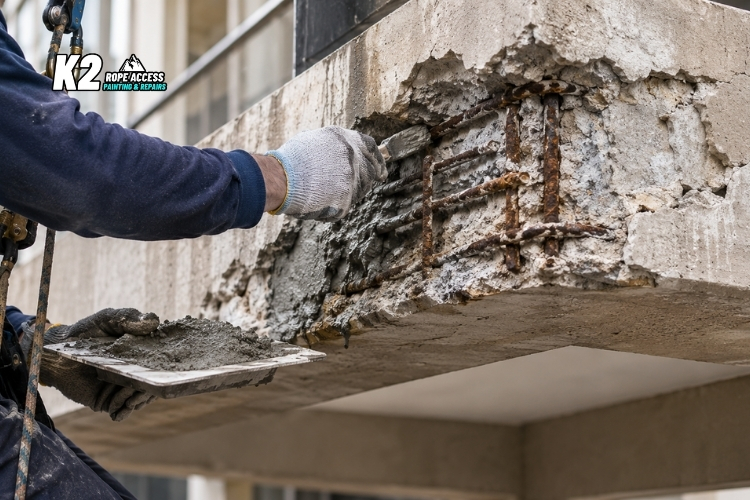
Concrete Spalling Repair: How to Fix Concrete Cancer and Prevent Structural Damage starts with one simple truth: spalling is rarely just a surface problem.
When concrete begins cracking, flaking or breaking away, it can expose the steel reinforcement inside. Once that steel corrodes, the damage can spread quickly, especially on balconies, façades, car parks, slab edges and high-rise buildings exposed to rain, salt air and changing temperatures. Concrete spalling repair is about treating the cause, not just covering the visible damage with a patch.
What is concrete spalling?
Concrete spalling happens when the surface of concrete breaks, flakes or detaches from the main structure. In many cases, this is linked to corrosion of the reinforcement steel inside the concrete.
As steel rusts, it expands. That expansion creates pressure within the concrete, causing cracks, bulging, delamination and eventually pieces of concrete to fall away. This is why concrete cancer repair should never be delayed once the issue is visible.
Spalling can appear in residential strata buildings, commercial assets, government buildings, podiums, stairwells, façades and car parks. On multi-storey properties, even a small defect can become a safety and access issue.
Signs of concrete cancer you should not ignore
The early signs of concrete cancer are often subtle. A small crack or stain may not look urgent, but it can indicate moisture reaching the steel beneath the surface.
Common warning signs include:
- rust stains running from cracks or joints
- bubbling, flaking or drummy concrete
- exposed reinforcement steel
- cracking around balcony edges or façade panels
- loose concrete fragments
- damp patches near damaged concrete
- recurring cracks after previous repairs
If you notice these symptoms, arrange an inspection before the damage expands. For high-rise and strata buildings, professional concrete spalling repair services can help identify the cause and plan a durable repair.
Causes of concrete spalling in buildings
The causes of concrete spalling usually involve moisture, corrosion and poor protection. Water enters through cracks, failed membranes, deteriorated sealants or porous concrete. Over time, carbon dioxide and chlorides can also reduce the concrete’s protection around the steel reinforcement.
Common causes include:
- water ingress through façade cracks
- poor drainage on balconies or podium slabs
- coastal exposure and airborne salts
- inadequate concrete cover over reinforcement
- ageing coatings and membranes
- failed expansion joints or sealants
- previous patch repairs that did not address the cause
This is why concrete facade remediation is often more effective than isolated patching. The building envelope, joints, coatings and moisture pathways all need to be considered.
How to fix concrete spalling properly
A proper concrete spalling repair process is methodical. It does not start with filling the hole; it starts with understanding how far the damage has spread.
Step 1: Inspection and diagnosis
The affected area should be inspected for cracks, hollow concrete, rust staining, water ingress and structural risk. On larger buildings, an engineer may be involved to define the repair scope.
Step 2: Remove loose and damaged concrete
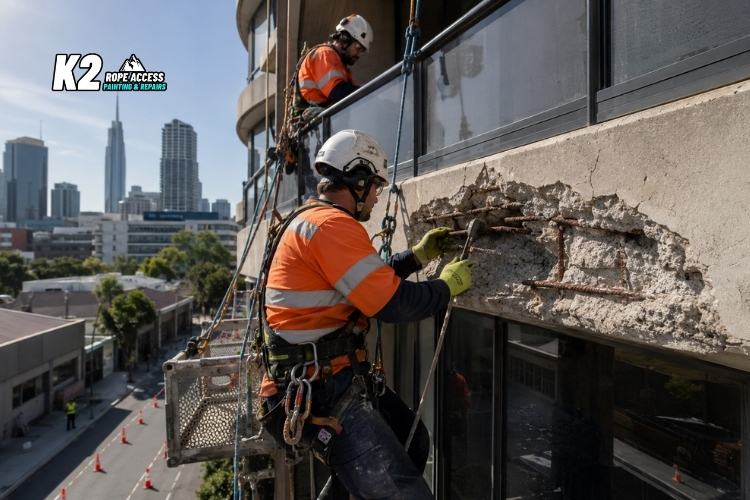
Unsound concrete is carefully broken out until solid material is reached. This allows the contractor to expose the corroded reinforcement and see the true extent of the defect.
Step 3: Treat or replace reinforcement
The steel is cleaned and treated with corrosion protection. If reinforcement has lost too much section, it may need replacement or engineer-directed repair.
Step 4: Rebuild the concrete profile
The area is reinstated using suitable repair mortars or concrete panel repair systems. The repair material must be compatible with the structure and exposure conditions.
Step 5: Protect against future moisture
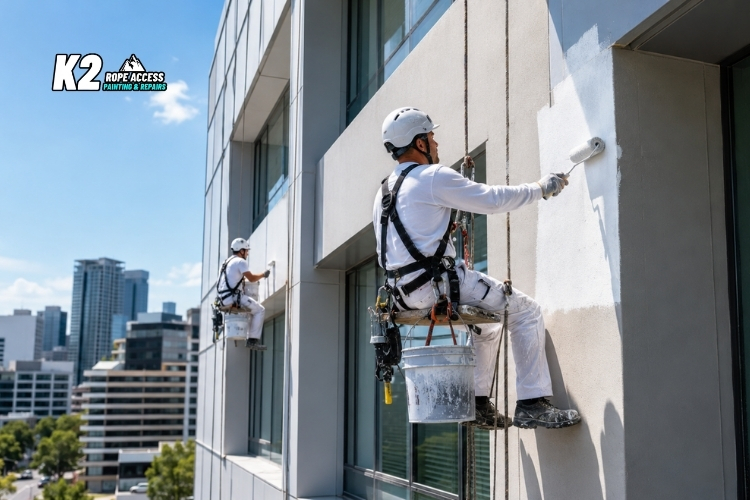
Protective coatings, membranes, sealants or façade remediation works may be required to prevent concrete spalling from returning.
For buildings with recurring concrete cancer, specialist concrete cancer repair contractors can help create a repair strategy that goes beyond cosmetic patching.
Concrete structural repair versus cosmetic patching
There is a major difference between cosmetic repairs and concrete structural repair. A cosmetic patch may hide the defect for a short time, but if the reinforcement is still corroding, the problem will return.
Structural concrete remediation focuses on restoring integrity, protecting reinforcement and reducing future deterioration. It is especially important when spalling affects balconies, beams, columns, slab edges, façade panels or car park soffits.
Commercial concrete repair also requires safety planning, documentation and staged works to reduce disruption for residents, tenants or building users.
Concrete cancer treatment and long-term prevention
Concrete cancer treatment should address both the damaged area and the conditions that caused it. If moisture keeps entering through failed joints or façade cracks, the repaired concrete can deteriorate again.
To prevent concrete spalling, building owners should maintain:
- façade coatings
- balcony waterproofing
- expansion joints
- sealants around windows and penetrations
- drainage systems
- regular condition inspections
Routine maintenance is usually cheaper than emergency repair. For strata and commercial buildings, planned remediation can also help avoid falling debris risk, urgent access costs and larger capital works surprises.
What affects concrete cancer repair cost?
Concrete cancer repair cost depends on the size, location and complexity of the damage. A small accessible patch repair is very different from widespread façade spalling across multiple levels.
Cost factors may include:
- amount of damaged concrete
- reinforcement condition
- engineer specifications
- access method required
- façade height and location
- waterproofing or coating requirements
- whether repairs are isolated or building-wide
Rope access can often reduce the need for full scaffolding on high-rise façade and balcony repairs, which may help control disruption and access costs.
If your building needs an informed repair plan, contact K2 Rope Access through their concrete spalling repair specialists or speak with the team via the K2 Rope Access contact page.
Final thoughts on spalling concrete solutions
Concrete spalling repair is most successful when the root cause is treated early. Cracks, rust staining and loose concrete are warning signs that the structure needs attention, not a quick cover-up.
Whether the issue is a small balcony edge, a damaged façade panel or widespread concrete cancer, the right repair method can protect the building, reduce future costs and improve long-term safety. The key is to inspect properly, repair correctly and prevent moisture from starting the cycle again.
Move from research to the right remedial scope
Related K2RA insights

Need this assessed on an actual building?
Send the building location, photos, defect information and available scope documents. K2RA can review the project context and help determine the next practical step.