Concrete Crack Repair: When a Small Crack Becomes a Bigger Problem
Concrete Crack Repair: When a Small Crack Becomes a Bigger Problem explains when cracks may be harmless, when they signal deeper deterioration, and what building owners should check before repairs begin.
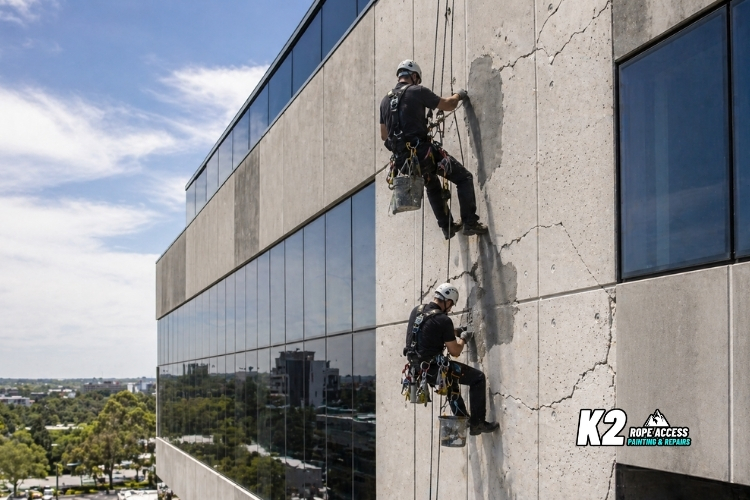
Concrete Crack Repair: When a Small Crack Becomes a Bigger Problem starts with understanding that not every crack means structural failure, but no visible crack should be dismissed without context. What looks minor on the surface can sometimes point to movement, moisture entry, reinforcement corrosion or a broader remedial issue already developing behind the finish.
For building owners and managers, concrete crack repair is often less about filling a line in the surface and more about understanding why it appeared in the first place. On commercial and strata buildings, cracks can signal ageing materials, water ingress, substrate stress or earlier repairs that did not address the full cause. That is why early assessment matters. Leaving the problem alone can lead to more extensive repairs later, especially where moisture and exposed concrete are involved.
Why a small concrete crack can become a much larger issue
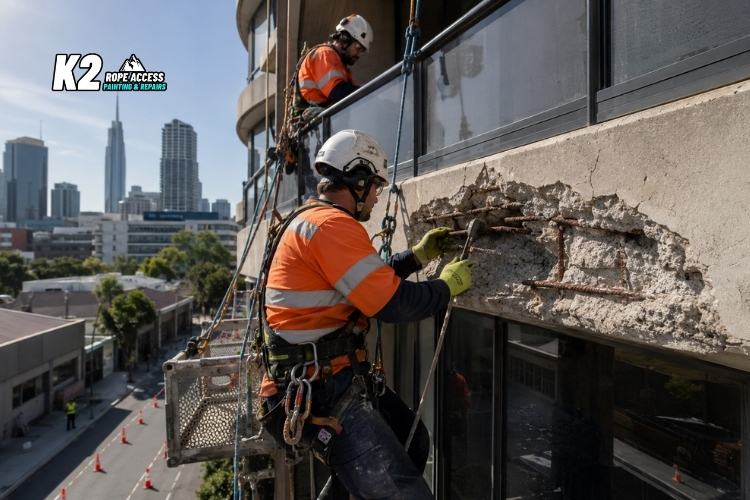
A crack creates an entry point. Once moisture begins moving into concrete, the risk is no longer limited to appearance. Water can reach reinforcement, worsen deterioration and contribute to rust expansion, delamination and eventual concrete loss.
That is one reason water damage from concrete cracks is taken seriously on exposed façades and elevated structures. Small openings can become part of a larger failure cycle, especially in weather-exposed locations. A crack near a slab edge, balcony, beam or façade joint may also be related to movement, drainage issues or other defects that need broader review.
If your building is already showing cracking or local concrete loss, review concrete spalling repair solutions for commercial and strata buildings.
Types of concrete cracks building owners should know about
Not all cracks carry the same level of risk. Understanding the common types of concrete cracks helps owners decide when monitoring may be enough and when a professional inspection is the safer step.
Hairline cracks in concrete
Hairline cracks in concrete are often thin, superficial and sometimes related to shrinkage or minor surface movement. On their own, they are not always urgent. But if they grow, multiply, allow water in or appear in high-risk locations, they should not be ignored.
Structural concrete cracks
Structural concrete cracks are more concerning because they may indicate movement, load-related stress or deeper deterioration. Wider cracks, stepped cracks, cracks that keep reopening, or cracks accompanied by displacement are stronger warning signs.
Cracks linked to spalling and deterioration
In many cases, cracking is not isolated. It sits alongside staining, drummy areas, moisture marks or local breakdown. That is where concrete spalling and cracking often overlap and why the repair strategy should consider the broader condition of the substrate.
When to worry about concrete cracks
Many owners ask when to worry about concrete cracks, and that is the right question.
You should be more cautious when cracks are:
- widening over time
- appearing around structural or exposed façade elements
- allowing water penetration
- associated with rust staining
- accompanied by loose, hollow or broken concrete
- reappearing after earlier patching
These are all potential signs of structural concrete damage or at least signs that the issue may be progressing beyond a cosmetic repair.
Common causes of concrete cracking
There is rarely one single explanation. The most common causes of concrete cracking include shrinkage, movement, thermal expansion, water ingress, corrosion of reinforcement, substrate stress, poor detailing, drainage issues and ageing materials.
That is why fixing cracks in concrete properly begins with identifying the cause, not just the surface expression. Filling a crack without understanding why it formed can leave the building exposed to repeat failure.
For owners dealing with recurring cracking, local delamination or façade damage, explore specialist concrete spalling repairs and remedial support.
Concrete crack repair is not one-size-fits-all
A sound repair strategy depends on the crack type, location, severity and what is happening behind it. In some situations, concrete crack sealing may be appropriate to reduce moisture entry and help protect the surrounding area. In others, local repairs alone are not enough because the substrate is already unstable or corrosion has begun.
That is particularly important on exposed commercial buildings, balconies, slab edges and façades. A crack in a driveway or ground slab may have a very different repair path from a crack in a suspended concrete edge or a deteriorating façade panel.
For example, concrete driveway crack repair may focus on durability, weathering and traffic wear, while concrete foundation crack repair or façade crack repair may require more careful assessment of movement, moisture and structural implications.
How to prevent concrete cracks from spreading
The best way to manage risk is early intervention. Knowing how to prevent concrete cracks from spreading usually comes down to identifying the cause, controlling moisture entry and addressing unstable areas before deterioration expands.
That may include local remedial work, crack treatment, sealant review, protective coatings or wider repair scope where associated concrete damage is already present. Good maintenance also matters. Waiting until cracking turns into loose material or exposed reinforcement generally increases cost and complexity.
When professional concrete repair is the right step
There is a point where monitoring is no longer enough. If cracks are worsening, recurring, associated with spalling, or appearing in locations where structural performance matters, it is wise to involve a specialist.
Professional concrete repair is not simply about making the defect disappear visually. It is about stabilising the area, protecting durability and reducing the chance of repeat failure. For building owners and managers, that usually means getting clear advice on condition, scope and urgency before the problem spreads.
If you need help assessing crack severity or the right next step, speak with a concrete repair specialist about your building.
Conclusion
A small crack does not always mean major structural damage, but it does deserve informed attention. The risk grows when cracking is linked to moisture, movement, corrosion or visible concrete breakdown. The earlier those issues are understood, the easier they are to manage properly.
For owners and managers, the goal is not to react to visible damage only when it becomes urgent. It is to protect the building early, before a simple crack turns into a broader remedial issue. If your property is already showing warning signs, request advice on concrete crack repair and spalling remediation.

Move from research to the right remedial scope
Related K2RA insights

Need this assessed on an actual building?
Send the building location, photos, defect information and available scope documents. K2RA can review the project context and help determine the next practical step.