Roof Anchor Records: What to Prepare Before Your Next Maintenance Job
A practical checklist for strata and facilities managers organising roof anchor records before planned maintenance in Sydney. Gather available installation details, previous reports and the intended task before discussing an assessment.
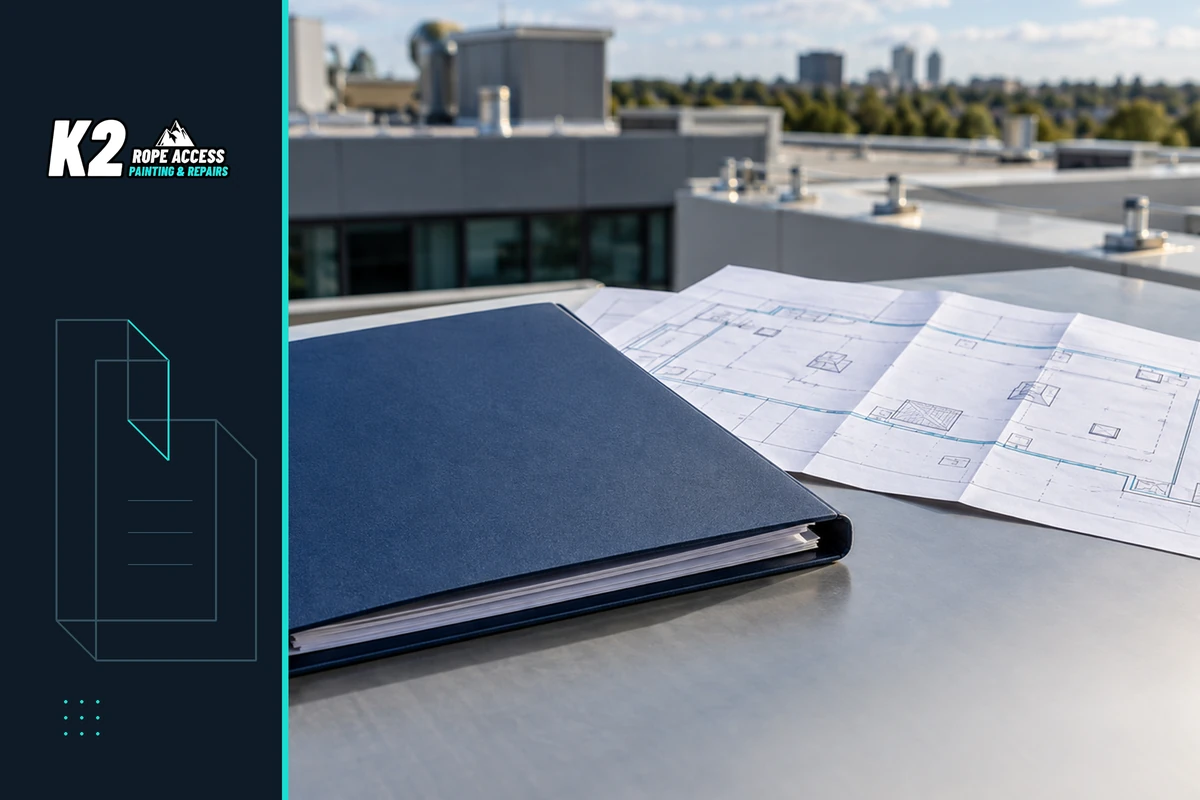
Before arranging roof anchor testing in Sydney, collect the building location, the planned maintenance task, available installation information, previous reports and any record of repairs or changes. For example, a strata manager planning façade access can give the assessor the Sydney address, the elevations the contractor needs to reach, the latest anchor report on file and whether the system has changed since it was issued. This information helps define an assessment scope; it does not confirm that any anchor is suitable for use.
When to review the records
Review the records when a maintenance project may rely on roof anchors, when available documents do not clearly identify the installed system, or after known repairs, alterations, reported damage or an incident that may affect it. If information is incomplete or the condition is uncertain, ask a competent provider what assessment is appropriate before the system is relied on for the proposed task.
This guide does not set an inspection or testing interval and cannot confirm that a system is suitable for use. You can start with existing building records; do not access the roof or approach an anchor solely to complete this checklist. For NSW context, see SafeWork NSW’s roof-work safety guidance. For an ACT property, consult WorkSafe ACT’s working-at-heights guidance; this article is framed around a Sydney/NSW building.
What documents to gather: installation information, previous reports and intended task
Start with the information already held by the owners corporation, building manager or maintenance team. Mark missing items clearly instead of guessing or delaying the initial conversation until every record is found.
Installation information
Gather available roof or anchor layout drawings, installation or commissioning information, system identifiers, manufacturer or installer details, and relevant instructions. Include an existing anchor register if one is maintained. Do not go onto the roof to read a label or identify a point.
Previous reports and changes
Include previous inspection, testing or certification reports, along with any stated limitations, restrictions, findings or follow-up recommendations. Add available records of roof works, repairs, alterations or other known changes that could help the assessor understand the history. If a report or drawing does not clearly match the installed system, flag that uncertainty.
The intended task
Describe the planned maintenance job, the building areas or elevations that need to be reached, the expected work period, and any access or operational constraints already known. If available, attach photographs taken from a safe location and label the area shown where it can be identified without approaching an anchor.
This desk-based list is for preparing a scope discussion. Do not access a roof, test an anchor or create a new photograph from a risky area just to complete it. Do not send access credentials or residents’ personal information.
What the assessor needs to clarify
The terms inspection, testing and certification may appear together, but a label alone does not tell you what was assessed or what the work includes. Ask the provider to describe the proposed scope and the information or access needed. K2RA’s roof anchor testing service describes inspection, testing and reporting for existing systems; the scope depends on the system, available records and intended use.
Before agreeing the scope, clarify:
- Which system, anchor points and building areas are included, and how will findings be matched to the drawings or register?
- What inspection or testing steps and documents are proposed, and what will be outside the scope?
- How will missing identification, inaccessible components, reported damage or inconsistent records be recorded and raised?
- If separate engineering advice, design input, repairs or replacement are indicated, who will arrange and define that work?
The assessor should explain the basis for the proposed assessment for the installed system and intended task. A building manager should not prescribe a test method or load from a generic article, attempt a test, or treat a report as approval for work outside its stated scope.
How to retain findings and follow-up actions
When the report is issued, file it with the building’s available anchor register, plans and relevant maintenance records. Keep enough detail to identify the building and system assessed, the date and scope, what was included or excluded, the findings, any limitations or restrictions, and the follow-up actions stated by the provider.
Record each open action in the maintenance plan with an owner, next step and status. Add the supporting completion record when the action is closed, and retain earlier reports so the history is not lost when a document is replaced. Make the relevant current records available to the people responsible for planning the next maintenance job, using the building’s normal document controls.
If the intended task or the installed system changes, ask the competent provider whether the earlier findings still address the new scope before relying on them. This checklist helps organise the decision; it is not an anchor inspection or a technical approval.
Frequently asked questions
What should a strata manager send before roof anchor testing?
Send the building location, intended maintenance task, available installation details and previous reports. Add relevant records of repairs or changes and photographs only when they can be taken from a safe location.
Does an existing anchor report confirm the system is ready for another job?
Not by itself. Check which system and task the report covers, its date and any limitations. If the proposed work or installation has changed, ask a competent provider whether the report remains relevant.
What if the building’s anchor records are missing?
List what is available and identify the gaps. Share the building location and planned task, then ask the provider what further information or assessment is needed. Do not access the roof to search for labels or take photographs.
Include the building location, planned task, photographs taken from a safe location and any available reports. To discuss the next step, Share your building details to discuss an assessment.

Move from research to the right remedial scope
Related K2RA insights


Need this assessed on an actual building?
Send the building location, photos, defect information and available scope documents. K2RA can review the project context and help determine the next practical step.