Roof Anchor Testing & Certification in NSW: What Building Managers Need to Know
Prepare for a roof anchor assessment with practical advice on records, inspection scope and reporting. A guide for strata and commercial building managers planning work at height in Sydney and NSW.
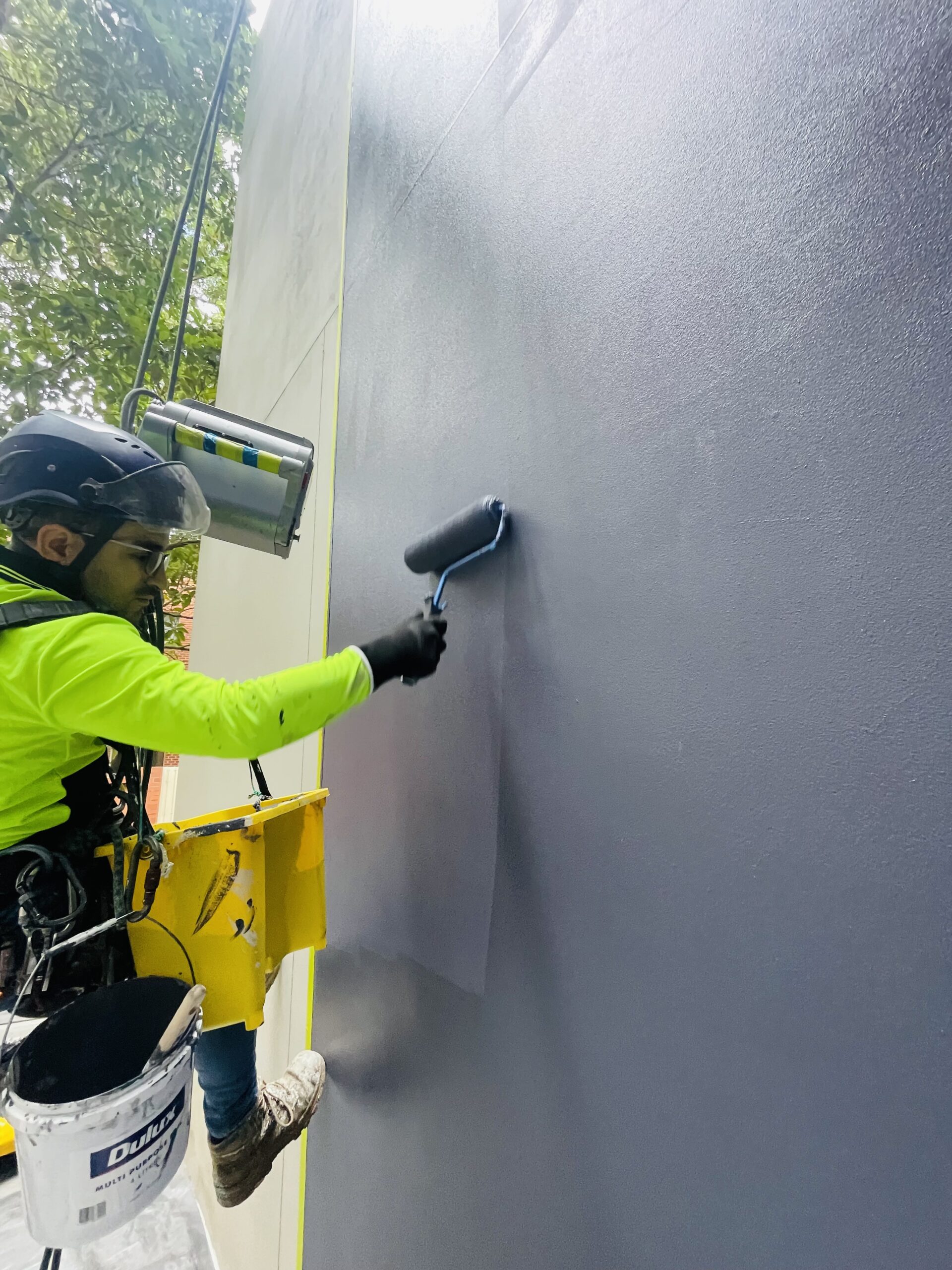
Before a contractor starts work above a strata or commercial building, the building manager needs a clear answer: is the installed anchor system suitable for the planned work, and what records support that decision? A certificate on file is useful, but it must relate to the actual system and its intended use.
This guide explains how to prepare for roof anchor testing and certification in NSW, what to ask about the inspection scope, and how to use the resulting documentation. For a building-specific assessment, see K2 Rope Access’s roof anchor inspection and testing service.
What testing and certification mean
Inspection, testing and certification are related activities, but they are not interchangeable. Inspection examines the system and its condition. Testing checks performance using a method appropriate to the anchor and installation. Certification documentation records the assessed scope, findings and any limitations; it should not be read as blanket approval for every kind of work at height.
The intended activity matters. Ask the provider whether the assessment covers the system’s proposed use, rather than assuming an anchor suitable for one task is suitable for another. Rope access, restraint and fall-arrest arrangements need to be considered in their own context.
When should a building manager arrange an inspection?
Review the system before planning work that will rely on it, particularly when inspection records are missing, the installation has changed, or its condition is uncertain. Roof repairs, alterations around fixings, visible damage or a reported incident are reasons to seek competent advice before authorising further use.
Do not apply a single testing interval to every roof anchor. Ask the assessor to identify the requirements relevant to the installed equipment, manufacturer’s instructions, intended use and applicable standards. Record the resulting schedule and its basis in the building’s maintenance plan.
SafeWork NSW’s fall-arrest anchor guidance distinguishes manufacturing requirements from ongoing inspection and maintenance. Its published advice also addresses damaged anchors and installations that do not follow manufacturer instructions. Confirm the current requirements for your particular system with a competent assessor.
Who needs the information?
Strata managers and owners corporations need records they can hand to contractors and use when planning maintenance. Commercial facilities teams also need to coordinate roof access with building operations, occupants and scheduled works.
For Sydney and NSW assets, agree who holds the anchor register, who arranges the assessment and who receives the report. A change of building manager or maintenance contractor should not leave the next team without the system’s history.
Prepare the records before the site visit
Send the provider the building location and the planned task. Include available installation drawings, manufacturer details, previous inspection reports, certificates and photographs. Note any known repairs, defects or changes since the last assessment.
- Identify how the roof is accessed and any restrictions on access.
- Explain which areas the maintenance team needs to reach.
- Identify the anchors or systems involved, where records allow.
- Flag missing documents instead of assuming they are unnecessary.
This preparation helps define the scope. It does not replace an inspection or establish that the anchors are safe to use.
What happens during the assessment?
A typical assessment starts by comparing available records with the installed system and proposed work. The assessor can then determine the inspection and testing required, including whether further information or specialist input is needed.
Ask how inaccessible components, uncertain installations and defects will be handled. Testing methods and loads should be selected by the competent provider for the system; a building manager should not attempt a DIY load test or prescribe one from a generic online guide.
What should the report tell you?
Request documentation that clearly identifies the building, assessed equipment, assessment date and scope. It should explain findings, limitations and follow-up actions in a way that lets the responsible person make informed maintenance decisions.
Questions to ask before accepting the handover
- Can each finding be matched to the relevant anchor or system?
- Does the report state what was inspected or tested and what was excluded?
- Are restrictions, defects and required actions clear?
- Is the next review requirement explained, with its basis?
- Who should be contacted if the proposed access task changes?
If the assessment identifies an unresolved concern, seek instructions on restrictions and corrective action. Do not treat an unresolved defect as approval to proceed.
Connect anchor records with the maintenance plan
Anchor assessment is one part of planning safe access. The contractor still needs an appropriate work method, suitable equipment and task-specific risk controls. Roof hazards and access constraints must be considered alongside the anchor system.
Bring the assessment forward when arranging high-rise maintenance, so access questions are addressed before the work programme is finalised. K2’s Sydney and NSW service information provides regional context for managed-building projects.
Book an Anchor Inspection
Have the building address, available anchor records and intended maintenance task ready. Share any uncertainty about condition, identification or previous testing so the inspection scope can be discussed.
Book an Anchor Inspection with K2 Rope Access, or review the Roof Anchor Testing service before making your enquiry.

Move from research to the right remedial scope
Related K2RA insights

Need this assessed on an actual building?
Send the building location, photos, defect information and available scope documents. K2RA can review the project context and help determine the next practical step.