What Is High Build Paint Primer and When Should You Use It?
What Is High Build Paint Primer and When Should You Use It? This guide explains what high build primer does, when it helps, and when proper surface repairs matter more than a thicker coating.
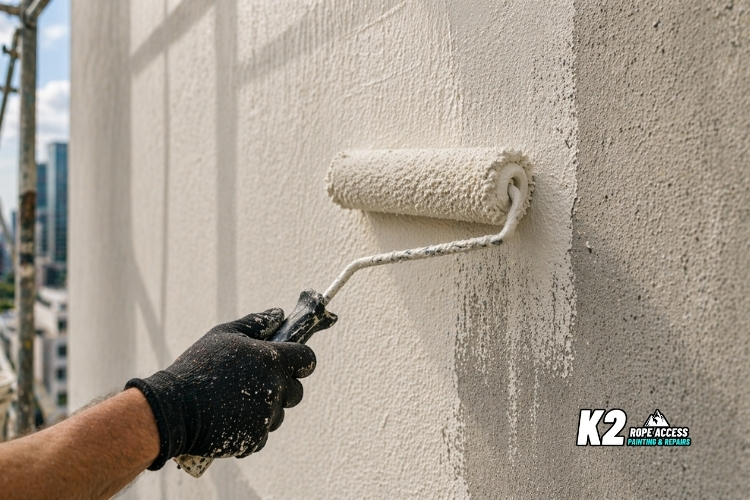
What Is High Build Paint Primer and When Should You Use It? It is a practical question when a wall, façade or repaired surface looks uneven, porous or too inconsistent for a standard undercoat.
If you have been searching for what is high build primer, the simplest answer is this: high build paint primer is a thicker primer designed to create extra film build, improve surface uniformity and help prepare imperfect substrates before the final coating. It can help with minor surface irregularities, but it is not a shortcut for repairing damaged concrete, failed coatings or moisture-related defects.
Used correctly, high build primer can improve the final appearance of a painted surface. Used incorrectly, it can hide warning signs that should have been repaired first.
High build primer meaning: what makes it different?
The high build primer meaning comes from the way the coating performs. Compared with a regular primer, a high build primer applies with more body and creates a thicker layer over the surface.
That extra build can help reduce the visual impact of small flaws, patched sections, sanding marks, light texture changes and uneven porosity. Instead of only sealing the substrate, it helps create a more consistent base before painting.
This is why high build primer for walls is often used where a surface has been repaired, skimmed, patched or lightly textured. It helps the topcoat look smoother and more even.
What does high build primer do?
A common search is: what does high build primer do? In simple terms, it helps prepare a surface that is not perfectly uniform.
High build primer can:
- improve surface consistency before painting
- reduce the visibility of minor imperfections
- help even out porosity between patched and original areas
- support better topcoat appearance
- provide extra film thickness compared with standard primer
- help create a smoother-looking finish on suitable substrates
However, high build primer does not fix structural defects. It will not repair concrete cancer, stop water ingress, stabilise loose render or solve active cracking. If the surface is moving, damp, flaking or deteriorating, the problem needs proper investigation before priming.
For exterior buildings with peeling paint, cracks or water ingress, specialist façade remediation and painting is a better starting point than simply applying a thicker primer.
High build primer vs regular primer
High build primer vs regular primer is one of the most important comparisons to understand.
A regular primer is usually used to seal the surface, improve adhesion and prepare a sound substrate for paint. It is the right choice when the wall or façade is already in good condition.
A high build primer is used when the surface needs more help. It is better suited to minor imperfections, uneven repairs, porous patches or slight texture variation.
That does not mean high build primer is always better. If the surface is clean, stable and already smooth, a regular primer may be enough. If the surface has serious cracking, loose material or moisture damage, neither primer should be used until the defect is repaired.
Does high build primer hide imperfections?
Yes, high build primer can help hide minor imperfections, but expectations matter.
If you are asking does high build primer hide imperfections, the answer is: it can soften small flaws, but it will not make a damaged surface perfect. It may reduce the appearance of fine sanding marks, small patch edges and light texture differences. It will not hide deep cracks, uneven render, crumbling concrete, exposed reinforcement or failed waterproofing.
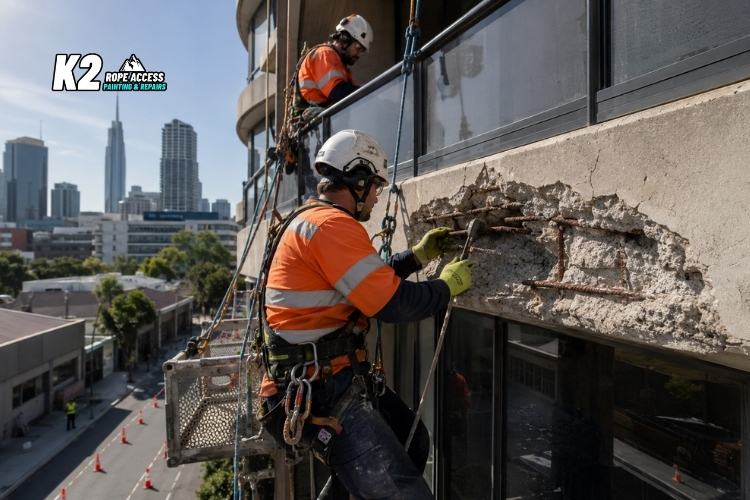
This distinction matters on commercial and strata buildings. A thicker coating can make a surface look better temporarily, but if the underlying issue is concrete spalling or façade deterioration, the damage may continue behind the coating.
For buildings showing rust stains, cracking or concrete breakdown, professional concrete spalling repair services should be considered before repainting.
When to use high build primer
Knowing when to use high build primer depends on surface condition and the goal of the paint system.
High build primer is useful when:
- repaired walls have uneven porosity
- patching marks may show through the topcoat
- the surface has light texture variation
- plasterboard or render needs better visual consistency
- previous coatings have left subtle unevenness
- a smoother final appearance is required
It is not the right solution when:
- paint is peeling because of moisture
- concrete is cracking or spalling
- render is loose or drummy
- the substrate is unstable
- water ingress is active
- the surface needs remedial repair first
A good rule is simple: use high build primer for surface refinement, not defect concealment.
High build primer for drywall and interior walls
A lot of searches focus on high build primer for drywall, and that makes sense. Drywall repairs can leave patching edges, sanding marks and absorbency differences that show through standard paint.
High build primer for drywall can help create a more even base coat before the finish is applied. It is especially useful on repaired plasterboard, skim-coated areas and walls where multiple patches have created inconsistent porosity.
For interior walls, the best high build primer is not always the thickest product. The right choice depends on the surface, the finish level required and compatibility with the topcoat.
High build primer for exterior and commercial building surfaces
High build primer for exterior walls needs more care. Exterior surfaces face UV exposure, wind-driven rain, temperature changes, movement and moisture. A product that works well indoors may not be suitable for a commercial façade.
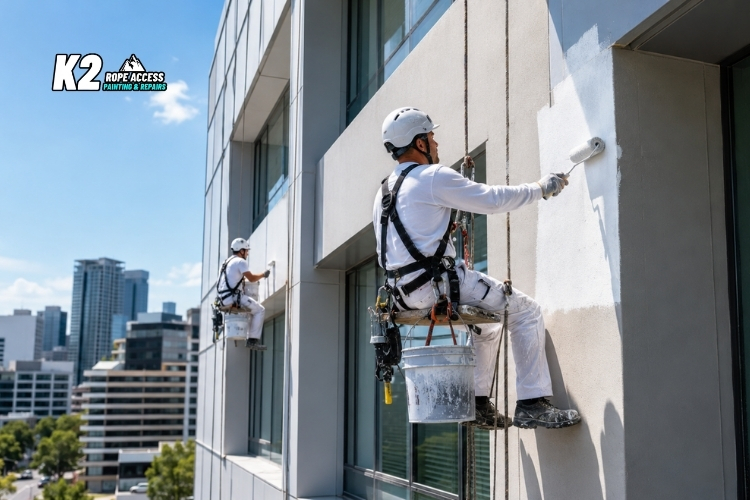
For commercial buildings, primer selection should be part of a full coating system. That may include surface washing, crack repair, sealant replacement, concrete repair, waterproofing review and protective topcoats.
This is where high build primer connects to long-term building performance. It can help improve finish quality, but only after the substrate has been properly prepared.
If a property is being sold and visible spalling or façade deterioration could affect buyer confidence, this guide on selling an apartment with spalling and market value explains why repair clarity matters before sale.
What is high build paint?
People also search for what is high build paint or what is high build paint used for. In building coatings, “high build” usually means the coating is designed to apply at a greater film thickness than a standard paint or primer.
High build coatings can be useful when additional coverage, surface filling or protection is required. But again, they must be matched to the substrate and exposure conditions. Applying more product is not the same as designing the right system.
Do you need high build primer?
You may need high build primer if the surface is stable but visually inconsistent. You probably need repair first if the surface is cracked, damp, loose, rust-stained, flaking or showing signs of concrete degradation.
For property owners, strata managers and building managers, the best approach is to inspect the surface before choosing the coating. A primer should support the repair strategy, not replace it.
Final thoughts
High build paint primer is useful when a surface needs extra preparation before the topcoat. It can help improve visual consistency, reduce minor imperfections and support a better finish.
But it should not be used to cover serious defects. If the wall, façade or concrete surface is deteriorating, the correct first step is repair, not primer. For commercial and strata buildings, the best results come from proper preparation, compatible coating systems and a clear understanding of the substrate.
Move from research to the right remedial scope
Related K2RA insights

Need this assessed on an actual building?
Send the building location, photos, defect information and available scope documents. K2RA can review the project context and help determine the next practical step.